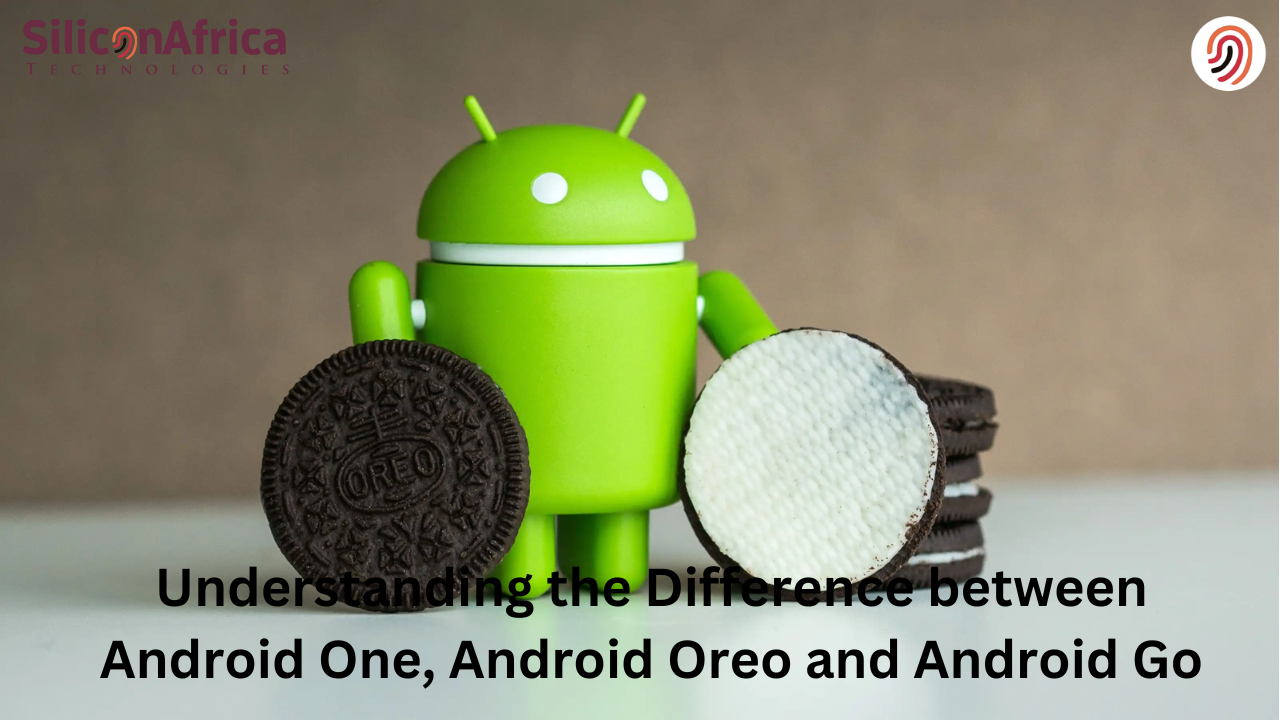
Android One, Android Oreo, and Android Go are Google Android operating systems. They power billions of phones from Huawei, Samsung, and Nokia.
Android One was introduced in 2014 as an original single variation of the Android operating system. But with the advent of Android Oreo, manufacturers can now modify the operating system deployed by Google to make it unique to their phones.
In this article, we will answer the questions that some users may have: What is Android One? What is Android Oreo? And what is Android Go?
Table of contents
Understanding Android One, Android Oreo and Android Go
What is Android One? What are Android Go, and Android Oreo? This section elaborates on these three Android versions. We will discuss when they were established, their features and distinctions.
These operating systems are not the only Android OS available. The latest Android version is Android 14, which boasts thoroughly secure and private settings.
Also read: 8 Great Android Alternatives to iPhone 15 Pro Max You Will Love
Comprehensive Features of Android One, Android Go, and Android Oreo
Before extensively discussing Android One, Android Go, and Android Oreo, let’s get an overview of their key features.
The table below highlights the three Android versions and their various specifications.
| Feature | Android One | Android Oreo | Android Go |
| Device Type | Mostly mid-end devices and some high-end | High/mid-end devices | Entry level processors |
| Variations | No variations; original Android OS | Can be modified by manufacturers | Minimal variations |
| Updates | Regular updates directly from Google | Updates from the manufacturer | Optimised from scratch |
| Security | Regular updates from Google within two years | Secured by manufacturer | Regular updates from Google |
| Apps | Accepts all apps on the Google Play Store | Accepts all apps on the Google Play Store | Accepts Lite versions of apps |
Also read: How to Choose the Best Fast Charger for your Android
What is Android One?
Android One is the original Android Operating System (OS). It is used by manufacturers as deployed by Google. This means hardware partners cannot modify this OS to suit their device—they can only “copy and paste.”
The Android One’s originality prevents a slow interface and sluggish device updates born from manufacturers’ OS customisations.
While this may be advantageous to users, it seems disadvantageous to manufacturers. Today, only Nokia phones still use Android One.
Features of Android One
Here are some common features of the Android One operating system:
- No customisations from different manufacturers; it is pure Android as deployed by Google
- Approved hardware based on performance tests.
- Consistent security and OS updates from Google
Also read: Android New Theft Detection Lock Rolled Out
What is Android Oreo?
Android Oreo, also known as Stock or PixelUI, was first introduced in early 2017 as Android 8.0 and launched at the end of the same year.
Android Oreo was designed to fit any hardware type. Device manufacturers can tailor the storage, processing power, and other compositions of Android 8.0 to fit their device model.
As long as a device can run the latest Android, Android 8.0 can work to fit its specifications.
This is unlike Andriod One, the same original variation on all hardware partners. Android Oreo comes in different variations, designed by the hardware manufacturer adapting it.
Features of Android Oreo Phones
Some common features of Android Oreo include:
- Android Oreo isn’t exclusive to Android; manufacturers can create different variations of it. Examples include the Samsung Galaxy S9 and Huawei Mate 10 Pro.
- It offers a picture-in-picture mode.
- It offers split-screen multitasking.
- It comes with Daydream support.
Also read: How to Remove Private Number on Samsung, Infinix and other Android Phones 2024
What is Android Go?
Android Go launched in 2017. It’s a simple Android OS with all the essentials and nothing beyond. It was built to support low-spec devices with entry-level processors.
Android Go phones, like the Nokia 1 and ZTE Tempo Go, are usually affordable, ranging between $80 and $200. This is because they have a basic OS with no more than 16GB of storage. They also have data-saving features and optimised performance. Pre-installed apps are usually in Lite.
Features of Android Go Phones
Some common features of Android Go Phones include:
- Gmail, YouTube, and other Google Apps have “Go” versions deployed by Google to suit Android Go phones. They are usually lightweight with fewer performance resources. There is also a Google Play Store Go version. The apps on this store are built to comply with Android Go phones
- Android Go phones are usually low-spec devices with RAM as low as 512MB and no more than 16GB
- Android Go phones are lightweight, to optimise their performance.
- Android Go phones are usually affordable, between $80 and $200.
- Android Go phones have data savings features.
Also read: 10 Cheap Android Phones in Nigeria | 2024
Android Go Limitations
Android Go limitations are as follows:
- Android Go phones are usually low-end devices. This is because modern, high-end devices do not support this old OS. So, if a manufacturer chooses this OS, they cannot use it for a high-spec device.
- The Google Play Store apps on Android Go are built to fit the Android Go OS, which means they have certain limitations. Their features and capacity are tailored to what is compatible with Android Go models.
- Android Go phones usually have a low RAM, as low as 512MB. This means the operating system is slow.
Which Android is Best For Me?
You may wonder which best suits you now that you know Android One, Android Go, and Android Oreo. What OS should you look out for when choosing a phone to buy? Your choice will be determined by factors such as:
- Affordability: Android Go phones are usually the most affordable, although this means you will compromise on performance and style. With Android Go, you have basic functions like calls, texts, and internet, with optimised performance and data savings options.
- Performance, Speed, and Updates: If you are concerned about a fast interface and constant device updates, you might go for Android Oreo. Manufacturers customise Android Oreo, thus improving, optimising, or expanding certain capabilities. Android Oreo is also better for users who like a variety of improved features and quality apps on their phones.
- Originality: Android One is their go-to phone for customers who like the original Android experience. This offers a bloatware-free experience with consistent Google updates.
Also read: 10 ways to Stop your Android Phone from Hanging 2024
Frequently Asked Questions
Android Go phones have their uniqueness, and so do Android One phones. They (Android Go phones) are low spec, with standard performance and basic features. However, Android One phones can pass as mid-spec, although they are managed solely by Google.
The main difference between Android One and Android Oreo is their originality. Android One is an original Android OS. Manufacturers use it exactly as Google deploys it. Hardware partners, on the other hand, can modify Android Oreo. Device manufacturers can tailor the storage, processing power, and other compositions of Android Oreo to fit their device model.
The latest version, Android 14, is currently the best Android OS.
Conclusion: Know Your Android
Now, you can answer the question, “What is Android One?” You also know more about Android Oreo and Android Go phones.
So, when you next go phone shopping and you see Android Go phones, you can tell their specifications apart from those of other Android OS phones.
Staying abreast of all the Android operating systems helps you make an informed decision during purchase. So stay tuned to our blog for all tech updates. Follow us on X, formerly Twiiter, @SiliconAfriTech to ensure you don’t miss out.
Recommendations
- Does AI Help or Hurt the Tech Sector
- Top 15 AI Game Generators
- Top 13 AI Story Generator
- Your Industry is Safe: 15 Jobs AI Will Not Replace in 2024–2034
- 9 Ways you can Monetize your Facebook Account and Make Money in Nigeria
- 1 Bitcoin to Naira in 2009 vs 2024: Bitcoin’s Rise and Naira’s Fall
References
- www.zdnet.com – Android Oreo vs Android One vs Android Go: All their differences, explained
- www.benjamindada.com – Which Android is the best for you? Android One, Android Oreo and Android Go explained